
Temperature & Humidity
Atmospheric water output varies with ambient temperature, relative humidity, airflow, operating time and equipment condition.
EcoBlue Water USA evaluates atmospheric water solutions for homes, offices, hotels, campuses, commercial properties and industrial facilities in Trinidad and Tobago, with project-specific planning for freight, taxes, duties, electrical compatibility, treatment, maintenance and service coverage.
Performance and project suitability depend on local conditions, the intended water use and written confirmation of specifications, treatment, electrical and service requirements.
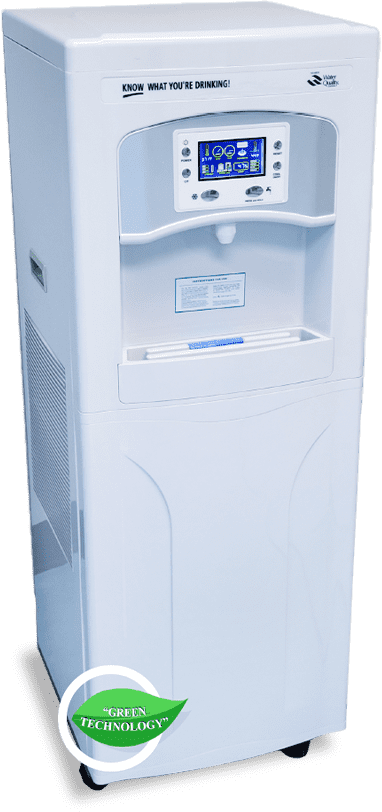
A useful proposal should cover realistic production, intended water use, electrical requirements, shipping, customs, treatment, maintenance and service responsibilities.
Atmospheric water output varies with ambient temperature, relative humidity, airflow, operating time and equipment condition.
Quotes should identify the destination, delivery address, shipping method, customs responsibility, taxes and applicable duties.
Confirm electrical service, circuit capacity, connection requirements, protective devices and any backup-power plans.
Define the intended water use and confirm treatment, sanitation, storage, testing and facility requirements.
Review indoor conditions, airflow, drainage, heat rejection, access for service and the proposed equipment room or installation area.
Plan replacement filters, ultraviolet lamps, sanitation supplies, spare parts, qualified service and backup drinking water.
Point-of-use drinking water for qualifying residences seeking convenience and reduced bottled-water handling.
Guest hydration, lounges, staff areas and selected hospitality applications after project-specific review.
Break rooms, reception areas, employee hydration and selected customer-facing applications.
Potential multi-building or high-demand projects requiring treatment, storage, testing and facility integration.
Employee hydration and selected operational uses where demand, placement and service responsibilities are clearly defined.
High-capacity atmospheric water planning for defined industrial or facility uses, subject to engineering and treatment review.
Point-of-use atmospheric water generation for qualifying homes, offices and smaller commercial settings.
Explore the HR-88CPlanning for hotels, offices, clinics, restaurants, employee hydration and multiple-unit deployments.
View commercial applicationsHigh-capacity atmospheric water projects for campuses, hospitals and other large facilities.
View industrial systemsIsland, city or area, delivery address, port or freight-forwarder information.
Home, office, hotel, clinic, campus, warehouse, industrial site or another defined use.
Number of users, operating hours, target daily volume and how the water will be used.
Voltage, frequency, phase, available circuit capacity and backup-power plans.
Indoor temperature, humidity, airflow, drainage, ventilation, heat rejection and installation space.
Storage, testing, treatment, installation, maintenance, parts and service expectations.
This Trinidad and Tobago page is supported by EcoBlue’s broader Caribbean atmospheric water overview, which addresses regional project planning, logistics and system selection.
Residential customers, property managers, commercial operators and industrial facilities can begin with a destination-specific inquiry and then confirm equipment, quantity, electrical requirements, freight, customs, treatment and service responsibilities.
View the Caribbean overviewBecause freight, taxes, duties, electrical requirements, treatment and service conditions vary by project, pricing is prepared by quote.
They may be suitable in qualifying locations, but actual output depends on temperature, humidity, airflow, operating time and equipment condition.
Pricing is provided by quote because equipment quantity, freight, taxes, customs duties, delivery terms, electrical configuration, installation and service coverage can vary.
Yes. Residential, hospitality, commercial and industrial inquiries can be reviewed based on intended use, demand, site conditions, electrical service, logistics and service feasibility.
Plan filter and ultraviolet-lamp replacement, sanitation, preventive maintenance, spare parts, qualified service access and backup drinking water.
Provide the facility type, intended water use, target daily volume, operating hours, indoor temperature and humidity, electrical service, treatment and storage requirements, installation location and delivery timeline.
Potentially, but quantity and placement should be based on realistic local output, peak demand, intended use, facility layout, treatment and service access.