
Hotels & Resorts
Guest hydration, staff areas, villas, lounges and selected back-of-house uses after appropriate planning and water-quality review.
EcoBlue atmospheric water solutions can be evaluated for offices, hotels, resorts, villas, restaurants, clinics and other qualifying commercial environments where point-of-use water, resilience and reduced bottled-water handling are priorities.
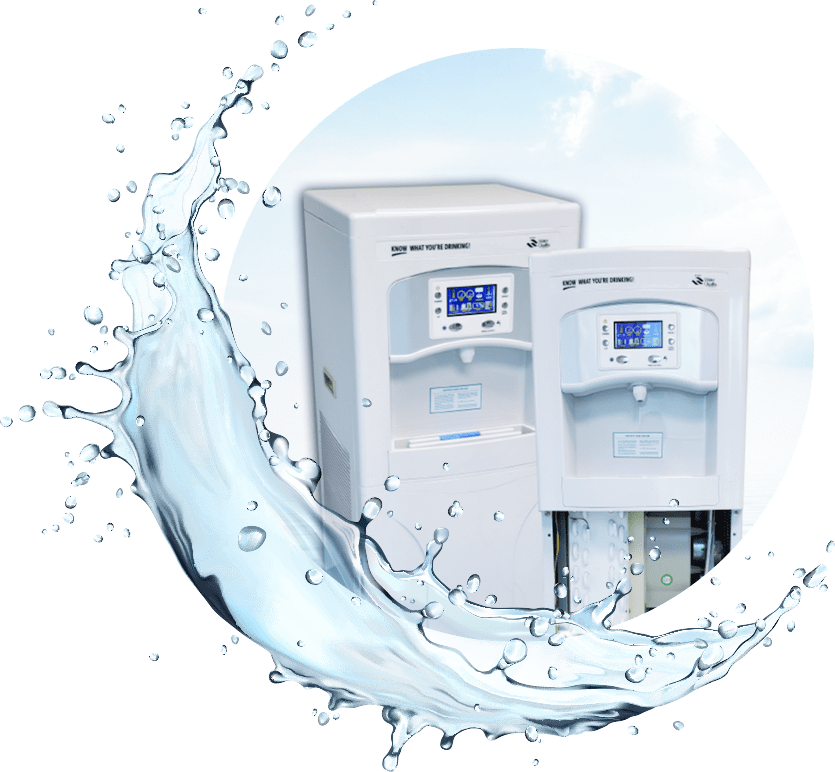
The correct system and quantity depend on the number of users, intended water use, climate, operating schedule and service plan.
Guest hydration, staff areas, villas, lounges and selected back-of-house uses after appropriate planning and water-quality review.
Point-of-use drinking water for qualifying properties seeking convenience and reduced bottled-water storage.
Break rooms, employee hydration programs, reception areas and sustainability initiatives.
Potential drinking-water and staff-use applications, subject to local food-service rules, treatment and testing requirements.
Waiting rooms, staff hydration and selected non-clinical uses, subject to applicable health and facility standards.
Supplemental on-site production where delivered bottled water is costly, difficult to store or operationally inconvenient.
The HR-88C is a point-of-use unit for qualifying indoor settings. Larger properties, multiple buildings or high-demand operations may require several point-of-use units, a separate industrial atmospheric water platform, or another engineered water solution.
| Planning factor | HR-88C | Industrial platform |
|---|---|---|
| Typical approach | Point-of-use | Centralized or engineered deployment |
| Quoted output | Approximately 5–10 gallons/day* | Project and model dependent |
| Best fit | Offices, villas, guest areas and smaller applications | Large campuses, hotels, hospitals and high-demand facilities |
| Planning level | Site, electrical and service confirmation | Climate, electrical, storage, treatment and engineering review |
*Actual HR-88C output varies with ambient temperature, humidity, airflow, operating time and equipment condition.
Country, island, city, delivery address and whether freight, taxes or duties must be included.
Guest drinking water, employee hydration, villas, lounges, restaurants, emergency reserve or another defined use.
Number of users, occupancy, operating hours, peak demand and whether multiple dispensing points are needed.
Indoor temperature, humidity, airflow, electrical service, storage, maintenance and local water-quality requirements.
A hospitality project should define how water will be produced, stored, dispensed, maintained and tested. The site should also plan filter replacement, sanitation, staff responsibilities, backup water and service response.
EcoBlue Water USA is developing commercial, hospitality, dealer and distribution relationships across the United States and Caribbean.
Caribbean quotes should clearly address destination freight, customs or duties, taxes, electrical compatibility, installation responsibility, replacement supplies and service coverage.
Discuss your property and destinationInclude the location, property type, number of users or rooms, intended water use and preferred delivery timeline.
Potentially, yes. The correct configuration depends on guest demand, climate, indoor operating conditions, electrical service, storage, maintenance, water-quality requirements and local approvals.
The HR-88C is designed as a point-of-use atmospheric water generator for qualifying indoor environments. Output depends on temperature, humidity, airflow and operating time.
A useful quote should identify the destination, intended use, number of users, operating schedule, electrical requirements, shipping, taxes, duties, installation responsibilities and service coverage.
No. Each project should define the intended water use and confirm treatment, testing, storage, maintenance, electrical, regulatory and service requirements.
Potentially, but quantity and placement should be based on realistic local output, occupancy, peak demand, service access and the intended dispensing plan.
Commercial pricing can vary by quantity, destination, freight, taxes, duties, electrical requirements, inventory, installation, service coverage and financing terms.